March 7, 2025 Upcoming Meetings Board of Commissioners - Monday, March 10, 2025, at 6:00 p.m. Historic Landmarks Commission - Wednesday, March 12, 2025, at 8:30 a.m. Planning Board - Tuesday, March 18, 2025, at 5:30 p.m. Community Appearance Commission - Thursday, March 27, 2025, at 8:30 a.m.
KDH Capital Projects UpdateSee the latest Capital Projects Update from the Town of Kill Devil Hills.
|
|
|
|
Check out the Town’s latest Destination Dare video, Around the Yard, which highlights the benefits of mulch and the free mulch program offered by the Town. Care and maintenance of Live Oak trees, the Town's official tree, is also provided. The segment also highlights the importance of using local plants and shrubs.
|
|
|
|
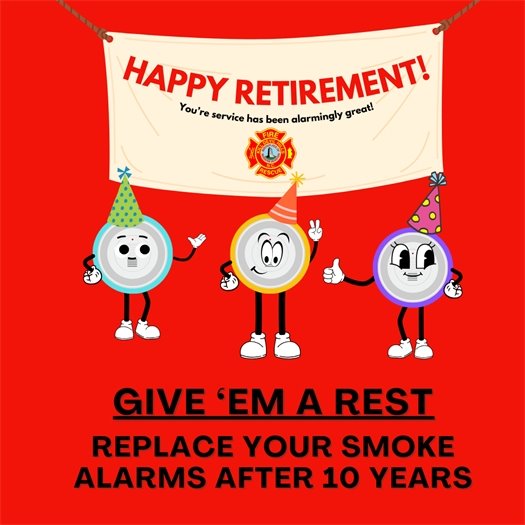
Spring Forward Into Brighter Days!Daylight Saving Time begins Sunday, March 9th, at 2 a.m. Remember to set your clocks forward one hour before bedtime and embrace the longer days ahead. And while you are at it, use this opportunity to change the batteries in your smoke and carbon monoxide alarms. If you are unable to check your detectors or need any assistance, give the KDH Fire Department a call at 252-480-4060. Maintaining your smoke alarm is an easy practice that could save your life. |
|
|
|
|
|
Smoke alarms are a key part of a home fire escape plan. When there is a fire, smoke spreads fast. Working smoke alarms give you early warning so you can get outside quickly. - A closed door may slow the spread of smoke, heat and fire. Install smoke alarms in every sleeping room and outside each separate sleeping area. Install alarms on every level of the home.
- Smoke alarms should be interconnected. When one sounds, they all sound.
- Large homes may need extra smoke alarms.
- Test your smoke alarms at least once a month. Press the test button to be sure the alarm is working.
- Today’s smoke alarms will be more technologically advanced to respond to a multitude of fire conditions, yet mitigate false alarms.
- When a smoke alarm sounds, get outside and stay outside.
- Replace all smoke alarms in your home every 10 years.
|
|
|
|
|
|
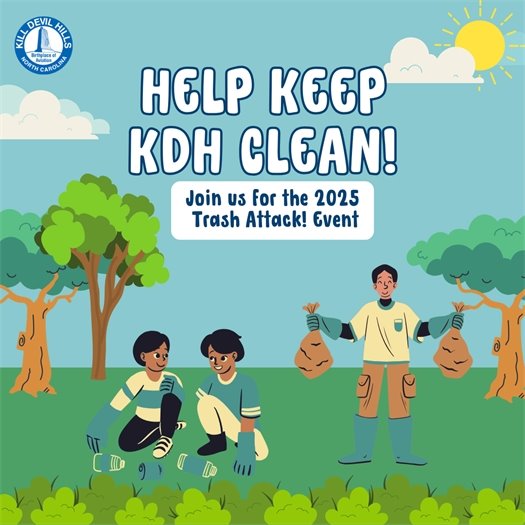
Join us for Trash Attack!You can help make KDH a cleaner and brighter place by joining your neighbors on Saturday, April 5, 2025, from 9:00 a.m. – 12:00 p.m. at our annual Trash Attack! event. Trash Attack! is a community clean-up event, where volunteers head out across Town to "attack" the trash: beach, soundside, or anywhere in between. The event will kick-off at Aviation Park (103 Veterans Drive) where participants will receive gloves, grabbers, and trash bags. |
|
|
|
|
|
|
|
|
|
Information from Community Partners - Outer Banks Visitors Bureau Releases Annual State of Dare County Tourism Report
The Outer Banks Visitors Bureau recently published its 2024-25 State of Dare County Tourism Report, which provides a year-in-review snapshot of tourism’s impact on Dare County. Items covered in the report include economic data, updates on the Outer Banks Long-Range Tourism Management Plan (LRTMP), non-profit and community partnerships, media coverage, tourism sales activity and trade show highlights and marketing and promotional efforts. |
|
|
|
|
|
If you have questions, feedback or are interested in receiving printed copies of the report, please contact Jeff Schwartzenberg, Community Engagement Manager at the Outer Banks Visitors Bureau, at community@outerbanks.org.
Dare County DHHS Addresses Avian Flu Concerns and Guidance for Encountering Dead Wildlife Dare County Department of Health & Human Services (DCDHHS) is issuing an important update regarding the ongoing surveillance of Highly Pathogenic Avian influenza (HPAI) H5N1 or bird flu in Dare County. While avian flu primarily impacts birds, residents need to remain informed and take precautions, especially if they encounter dead wildlife. "The current public health risk for HPAI is low, though we understand that finding dead wildlife can be concerning,” said DCDHHS Director Dr. Sheila Davies. "We are monitoring the HPAI threat closely and maintaining regular communication and surveillance with partnering agencies including the NC Department of Health and Human Services, the NC Wildlife Resources Commission and Cape Hatteras National Seashore. Residents are urged to take the following precautions if they come across dead birds or other wildlife: - Do Not Touch: Avoid direct contact with wildlife, particularly dead wildlife. Many diseases can be transmitted through contact.
- If you must dispose of dead wildlife found on your property, avoid direct contact with the animal. Use disposable gloves, a plastic bag, or other protective layer over your hands, or use a shovel to pick up the animal and place it into a garbage bag. Tie this bag and place it into a second garbage bag. Tie off the second bag and put it in the trash. You can also wear a face mask and eye protection if additional protection seems warranted. Always wash your hands with soap and water after disposing of any animal carcass.
- Report the Finding: Contact the North Carolina Wildlife Resources Commission's (WRC) Wildlife Helpline at 866.318.2401, Monday through Friday, 8 AM to 5 PM. You can also email the helpline at HWI@ncwildlife.org.
- Keep Pets Away: Keep pets on a leash to prevent them from interacting with wildlife, particularly dead wildlife, to prevent potential exposure to diseases.
- Practice Good Hygiene: Wash hands thoroughly after outdoor activities and avoid areas with large concentrations of birds.
- Stay Informed: Follow updates from DCDHHS regarding avian flu and local wildlife health on our website and social media channels.
Click here to continue reading and for more information on the Avian Flu. |
|
|
|
|
|



 Share on Facebook
 Share on Twitter
 Share via Email
